Understanding Heated Emergency Showers
Heated emergency showers are essential safety installations designed for immediate response in emergencies, especially in environments where exposure to harmful substances or extreme temperatures is likely. These systems are particularly crucial in industrial settings, laboratories, and any area where hazardous materials are used. By catering to the specific needs of cold climates, heated showers ensure that individuals can effectively decontaminate themselves, preventing long-term injuries. When exploring options, beheizte Notdusche für Außenbereiche provides comprehensive insights into the latest technology and features available.
What are Heated Emergency Showers?
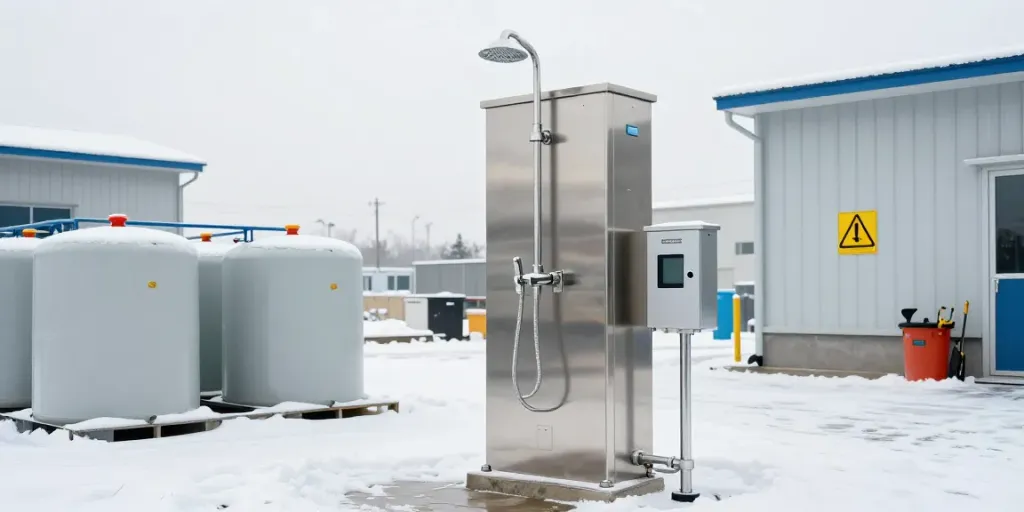
Heated emergency showers are specifically designed to provide a continuous flow of warm water, ensuring that users can wash away hazardous substances from their bodies swiftly and comfortably. These showers are equipped with advanced heating systems, making them suitable for outdoor use in cold environments, which can be a challenge for traditional emergency showers. They are designed to meet stringent safety standards and often include integrated eye wash stations to deal with chemical splashes in the eyes.
Importance of Heated Showers in Cold Climates
In cold climates, traditional cold-water emergency showers can be ineffective, as users may hesitate to use them due to the discomfort of frigid water. Heated emergency showers ensure that cleaning can occur without the added risk of hypothermia or shock from cold water exposure. They are crucial in industries like oil and gas, chemicals, and manufacturing, where work environments can become dangerously cold, placing workers at risk of both physical and chemical hazards.
Key Features of Outdoor Safety Showers
- Insulation: Many heated showers feature insulation capabilities that prevent water from freezing even in cold weather.
- Temperature Regulation: Advanced heating systems allow for precise temperature control, accommodating various industrial needs.
- Durable Construction: Materials like stainless steel or heavy-duty plastics are often used to withstand harsh conditions and resist corrosion.
- Integration with Other Safety Equipment: These showers often come with additional features such as alarm systems and lighting to enhance visibility and safety.
Compliance and Safety Standards
When it comes to selecting heated emergency showers, compliance with safety standards is paramount. Both ANSI (American National Standards Institute) and EN (European Norms) provide guidelines that ensure the effectiveness and safety of emergency shower installations. Adhering to these standards not only safeguards employees but also protects companies from potential liabilities.
Mandatory Regulations for Emergency Showers
Compliance with regulations is vital for companies operating in high-risk environments. Emergency showers must be accessible, well-marked, and maintained regularly to ensure they function properly when needed. According to OSHA (Occupational Safety and Health Administration) regulations, all employees must have access to emergency showers within a specific distance from hazardous material handling areas.
Understanding ANSI and EN Standards
The ANSI Z358.1 standard outlines the minimum performance criteria for emergency eyewash stations and showers in the United States, while the EN 15154 standards serve a similar purpose in Europe. Both sets of standards cover various aspects, including the design of the showers, water flow rates, and the temperature of the water provided.
Certifications for Safety Showers
Products must often carry certifications demonstrating compliance with regulatory standards. Look for certifications from recognized organizations indicating that the emergency showers have been rigorously tested for safety and reliability. These certifications can help companies select the right products that meet their safety needs.
Choosing the Right Heated Emergency Shower
Selecting the appropriate heated emergency shower requires careful consideration of various factors, including installation requirements, environmental conditions, and specific user needs. Here are critical points to guide your selection process.
Factors to Consider for Installation
- Location: Assess where the shower will be positioned. It should be easily accessible for quick use in emergencies.
- Environmental Conditions: Consider the average outdoor temperature and choose showers built to withstand extreme weather.
- Water Supply: Ensure the installation area has a suitable water supply and drainage system to accommodate the shower's needs.
Evaluating Technical Specifications
When comparing products, pay attention to the technical specifications such as flow rate, heating capabilities, and whether they meet local standards. Flow rates should align with safety recommendations, ensuring an adequate volume of water for effective decontamination.
Common Misconceptions about Heated Showers
One common misconception is that heated emergency showers are a luxury rather than a necessity. Given their essential role in ensuring employee safety, especially in cold environments, installing a heated shower should be viewed as a critical component of workplace safety strategies. Another myth is that heated showers require extensive maintenance; however, with proper installation and regular inspections, they can operate reliably with minimal upkeep.
Maintenance and Best Practices
To ensure long-term reliability, heated emergency showers require a structured maintenance program. Regular checks and servicing can prevent potential issues that could arise from neglect.
Regular Maintenance Requirements
- Routine Inspections: Conduct visual inspections for any signs of wear or damage to the shower.
- Water Temperature Tests: Regularly test the water temperature to ensure it falls within safe thresholds.
- Operational Testing: Periodically test the showers to ensure they operate correctly and efficiently.
Best Practices for Long-Term Reliability
Develop a maintenance schedule that includes cleaning the showerhead and ensuring the drainage system is functioning correctly. Document all maintenance activities to track the history of inspections and repairs.
Common Issues and Troubleshooting Tips
Common problems may include inconsistent water temperature or low water pressure. If you notice these issues, it’s essential to consult with qualified technicians who can diagnose and fix the problem effectively.
Future Trends in Emergency Safety Equipment
As technology advances, the evolution of heated emergency showers is likely to reflect broader trends in industrial safety equipment. Understanding these trends can help companies stay ahead in ensuring worker safety.
The Evolution of Heated Showers for Industrial Use
Future heated emergency showers may incorporate smart technologies for monitoring and diagnostics, allowing for real-time performance tracking. Enhanced data integration could inform maintenance needs and usage patterns, contributing to operational efficiency.
Innovative Technologies in Safety Showers
Developments in materials science could yield even more durable and insulated products, reducing the risk of freezing in extreme conditions. Furthermore, features such as automated alerts for maintenance can help organizations remain compliant with safety standards.
Predictions for the Industry by 2026
By 2026, we will likely see a shift towards more energy-efficient models that offer better environmental performance alongside safety features. The integration of IoT (Internet of Things) devices will enhance monitoring capabilities, giving companies insights that boost safety and operational effectiveness.
What is the importance of heated emergency showers?
Heated emergency showers are vital for immediate decontamination in environments prone to chemical exposure, particularly in colder climates where traditional showers could cause harm due to cold water exposure.
How often should emergency showers be tested?
Regular testing should occur at least monthly, with more frequent checks during periods of heavy usage or extreme weather conditions to ensure they are functioning correctly.
Can heated showers be customized based on requirements?
Yes, many manufacturers offer customization options to meet specific industry requirements, ensuring that the showers deliver adequate performance tailored to unique needs.
What are the advantages of installing heated showers?
Heated showers provide reliable decontamination, improve worker comfort during emergencies, and ensure compliance with safety regulations, ultimately contributing to a safer work environment.
Which industries benefit most from heated emergency showers?
Industries such as chemical manufacturing, oil and gas, pharmaceuticals, and food processing benefit significantly from heated emergency showers, where rapid decontamination is crucial for safety and compliance.